Turkish Coffee Tradition

Five centuries in a small cup.

History, hospitality, slow brewing, fine foam, and the simple cues that tell you the coffee was made well.

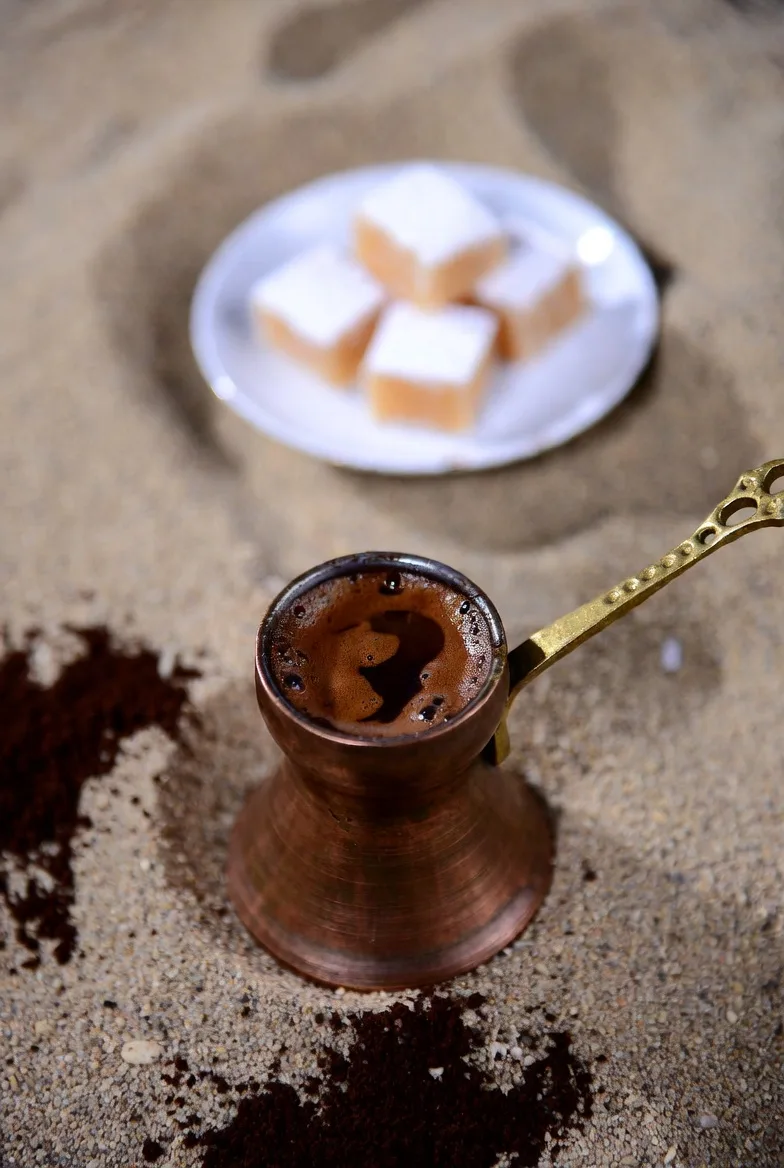
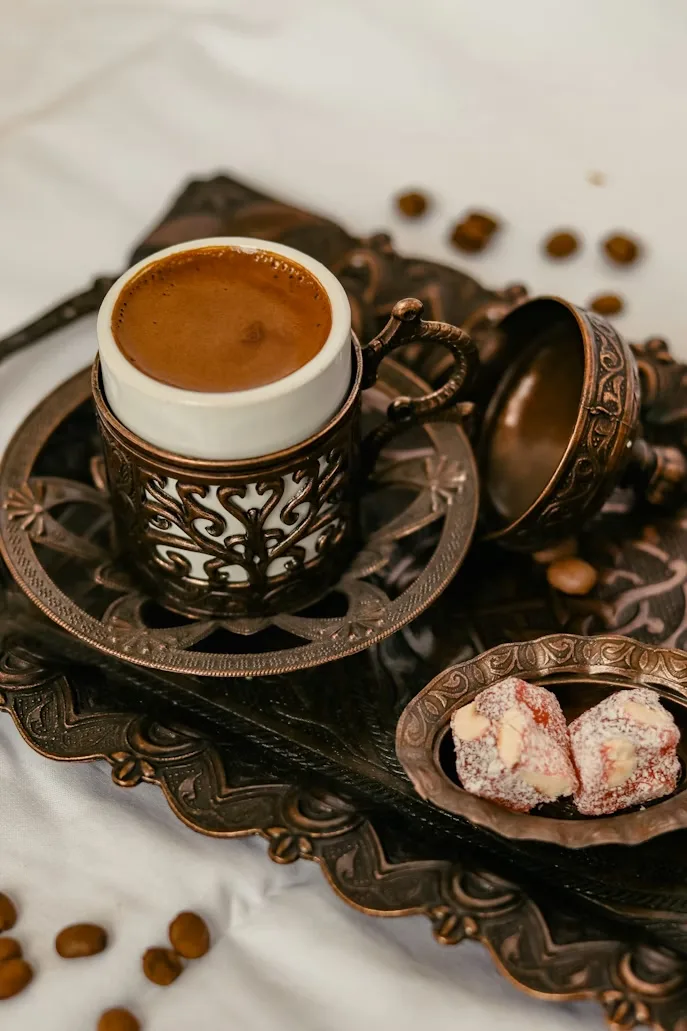
Turkish coffee served on an ornate tray with lokum

The History

How the cup became a custom.

Turkish coffee took shape in the Ottoman world and became a daily ritual in homes, coffeehouses, and guest rooms. The drink mattered, but so did the way it was offered: small cups, a calm pace, and conversation that stayed at the table.

In 2013, UNESCO recognized Turkish coffee culture and tradition as Intangible Cultural Heritage, honoring the social practice around the brew as much as the method itself.
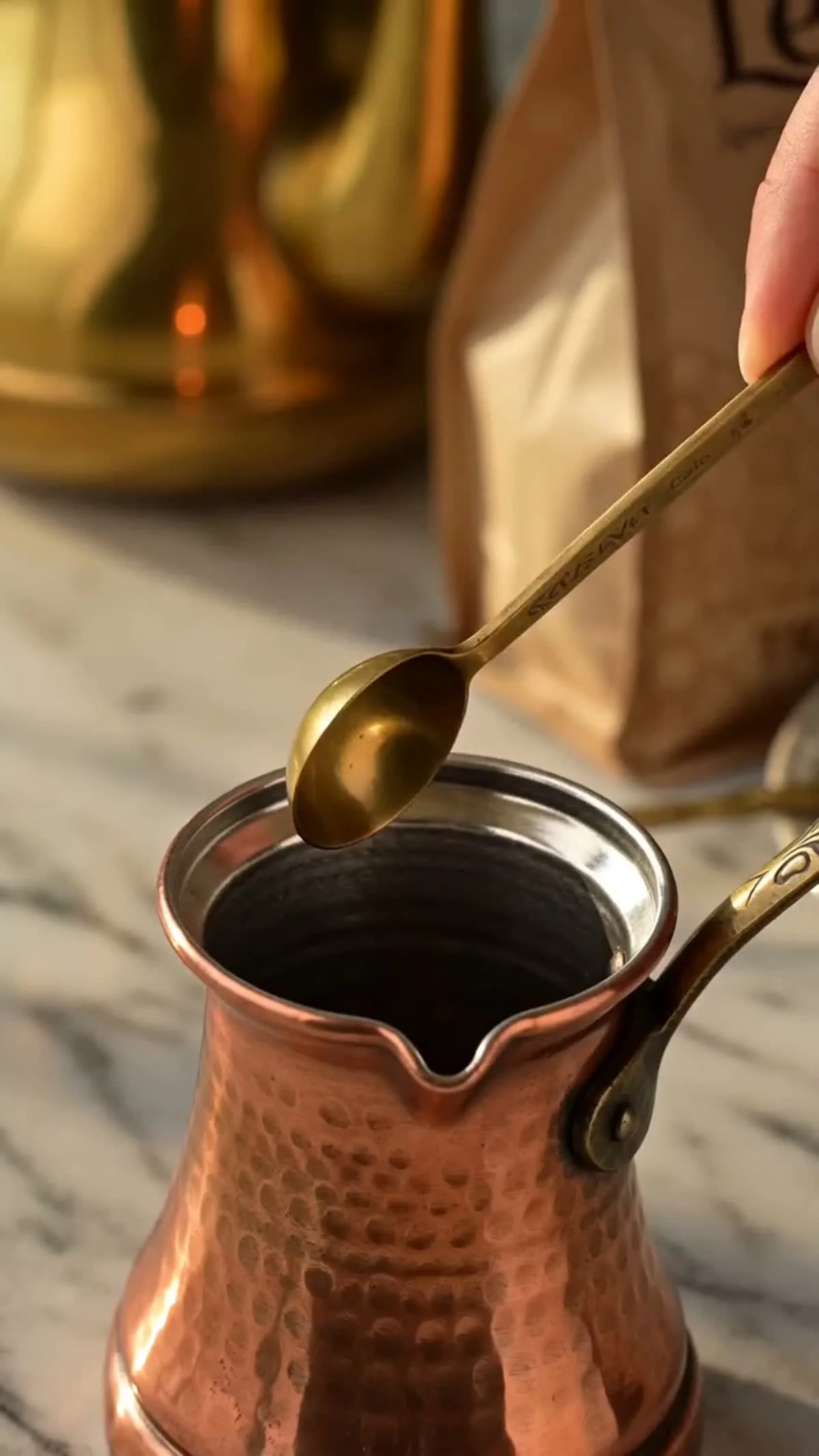
Powder-fine Turkish coffee measured into a cezve

The Method

Why it is brewed this way.

The powder-fine grind is stirred directly into cold water, then heated slowly in a cezve. There is no paper filter and no pressure. The slow rise builds foam, the grounds settle in the cup, and the texture stays full.

Powder-fine grind Slow heat Fine foam Unfiltered body
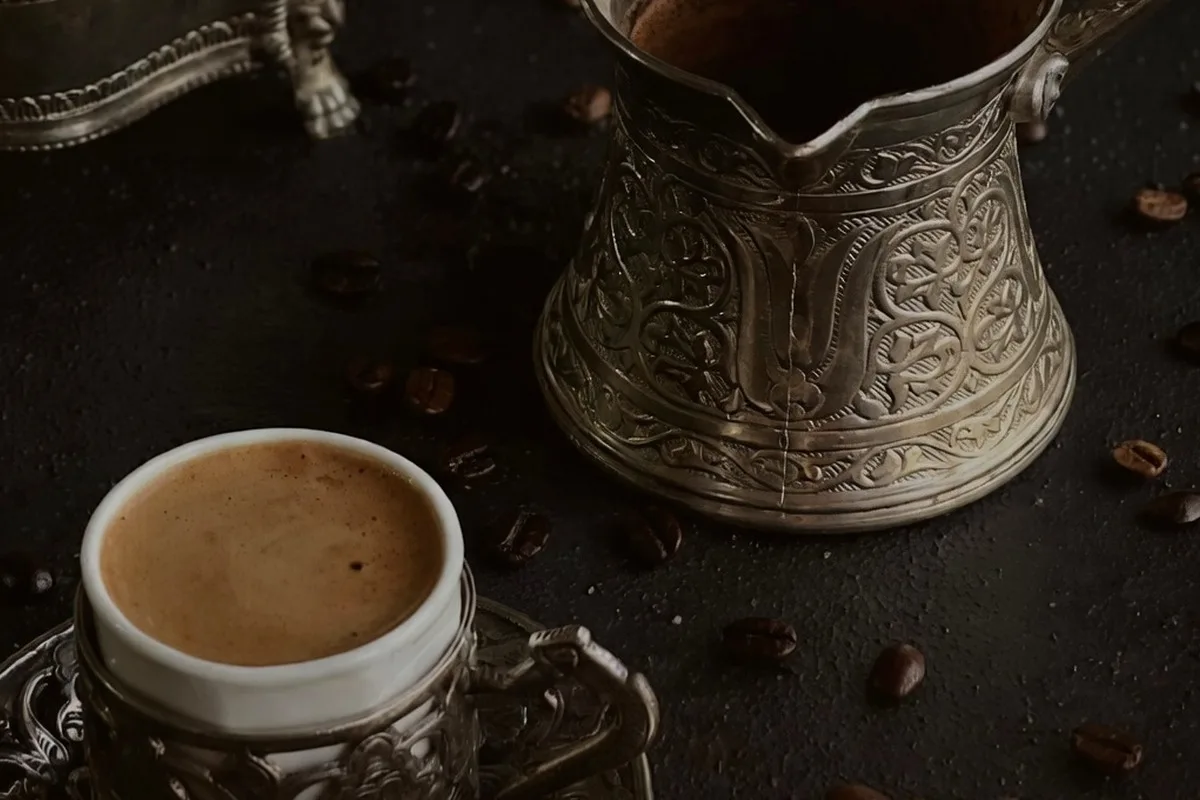
Turkish coffee poured from a cezve into a patterned cup

The Cup

How to recognize good Turkish coffee.

A good cup smells fresh before it tastes strong. Look for a fine, even foam, a full but balanced body, and grounds that settle instead of feeling sandy. The flavor should be rich, not harsh, with enough aromatic sweetness to invite the next sip.

Fresh roasting matters because Turkish coffee exposes everything: the beans, roast, grind, water, and heat all show up in a very small cup. Lezzet's blend favors body, low acidity, chocolate depth, and stable foam, with a gentle aromatic lift for brightness and complexity.

Turkish coffee with lokum on a small plate

Pairings

Serve it with something small and sweet.

Turkish coffee is traditionally served with water and often with lokum, chocolate, dates, nuts, or a simple dessert. The pairing softens the intensity of the cup and turns the brew into a moment of hospitality.

Bir fincan kahvenin kırk yıl hatırı vardır.
A cup of coffee is remembered for 40 years.

The proverb means that even one shared cup can create a lasting bond of friendship, respect, and gratitude. In Turkish homes, offering coffee to a guest is more than refreshment; it is a gesture of welcome.

One Ottoman-era legend tells of an old coffee seller in Üsküdar who served coffee to a passing Greek captain. Years later, when the seller was captured during war, the captain recognized him, remembered the cup, and spared his life in return.

Learn the Brew