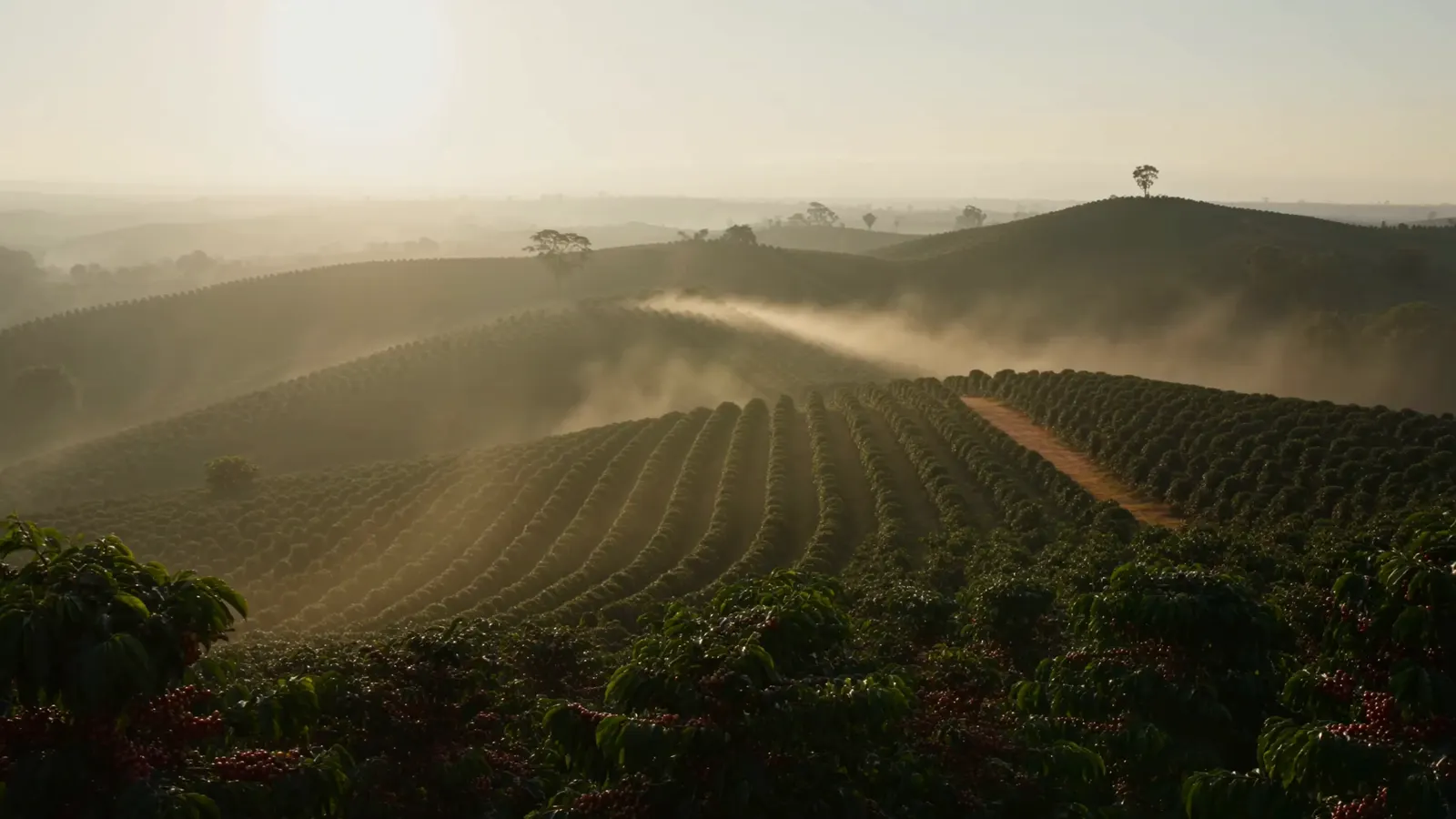
The best coffee beans for Turkish coffee are not chosen the same way you would choose a delicate pour-over. Turkish coffee is powder-fine, unfiltered, and brewed in a cezve, so the coffee needs enough body, sweetness, and roast development to taste full in a very small cup.
This guide focuses on Arabica origins only. The goal is a clean, specialty-style cup with cocoa sweetness, stable body, and enough aromatic depth to stay interesting after the foam settles.
Brazil is usually the easiest base for Turkish coffee because it brings cocoa, nuts, sweetness, and body. Colombia adds clean sweetness and polish. Guatemala adds chocolate and spice structure. Ethiopia adds floral and fruit lift. Yemen is the historical reference point, especially because of the old Mocha trade.
Whole beans or ready-ground. The same blend, two ways to buy:
- Grind at home: Whole Bean Traditional Coffee. For Turkish coffee, your grinder must reach a true powder-fine setting, finer than espresso.
- Ready for the cezve: Traditional Turkish Coffee, already milled powder-fine.
Why Is Turkish Coffee Ground So Fine?
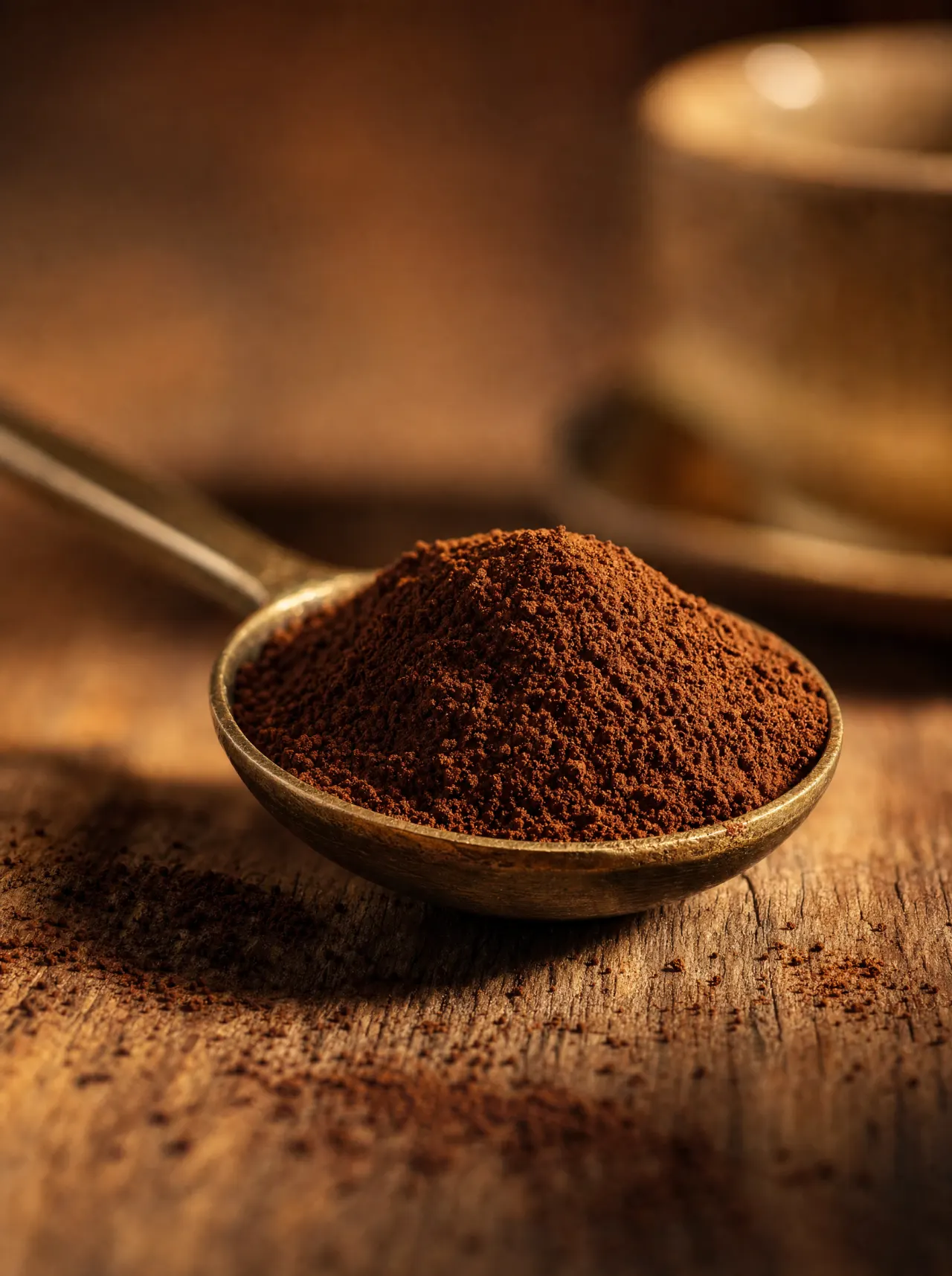
Because nothing filters it. The powder heats with the water in the cezve, builds the foam, then settles to the bottom of the cup, so it has to be finer than espresso, close to cocoa powder.
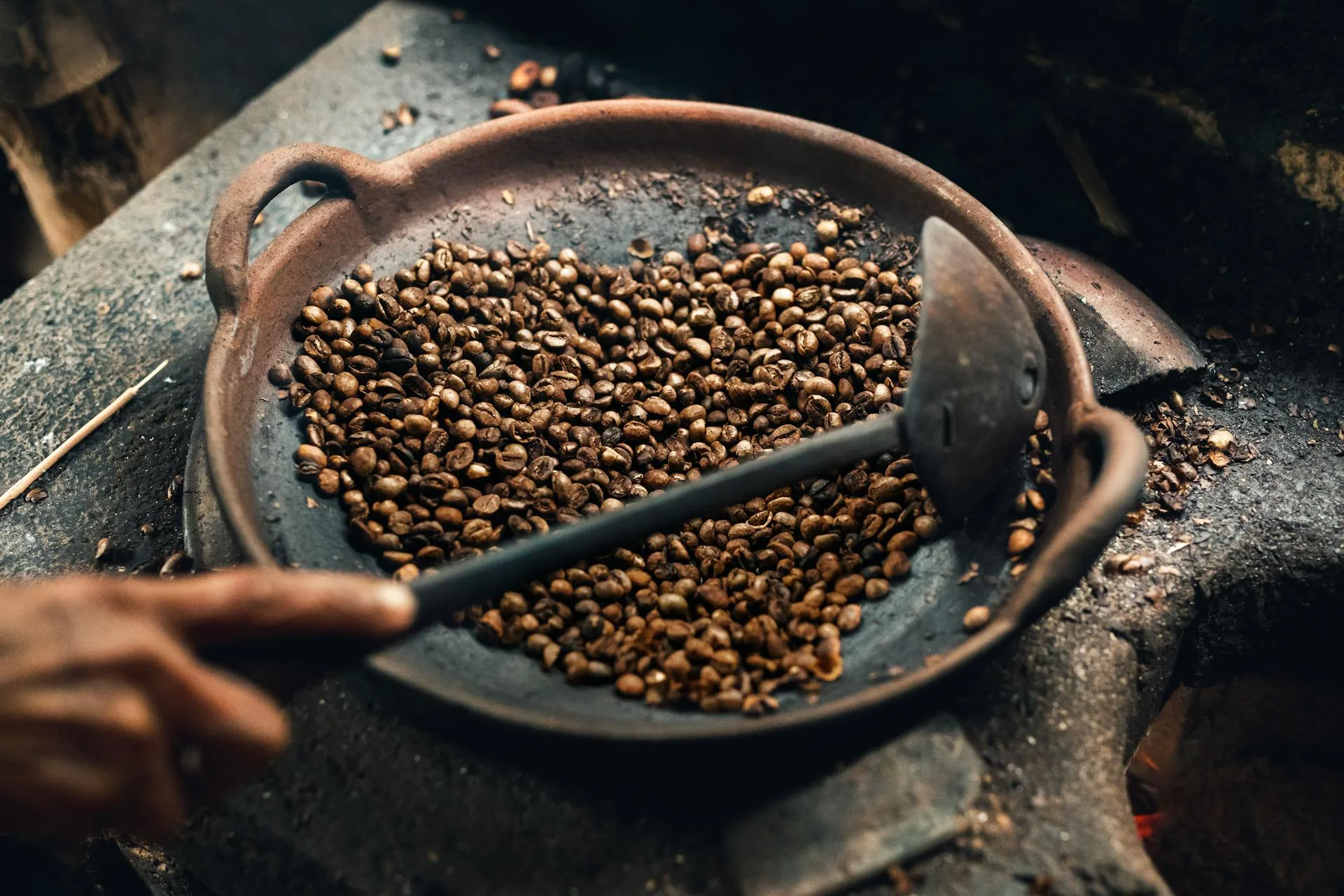
The Four Types of Coffee Beans
Before origin, the bean's species sets the ceiling on flavor. Four types of coffee are grown commercially, and only one is built for the clean, sweet cup Turkish coffee needs.
Arabica
Coffea arabica · ~60% of world coffee
Lower caffeine
- Sweeter, smoother, and more complex flavor
- Grows at high altitude (600–2,200 m)
- The specialty-coffee standard — what Lezzet uses
Robusta
Coffea canephora · ~40% of world coffee
High caffeine
- Bold, bitter, and earthy
- Roughly double the caffeine of Arabica
- Hardy and low-altitude; common in instant coffee and espresso blends
Liberica
Coffea liberica · Under 2% of world coffee
Medium caffeine
- Large, irregular beans
- Smoky and woody with a floral, fruity aroma
- Rare — mostly the Philippines and parts of Southeast Asia
Excelsa
Coffea liberica var. dewevrei · Rare specialty bean
Lower caffeine
- Tart and fruity with dark undertones
- Part of the Liberica family, but a distinct taste
- Grown mainly in Southeast Asia to add complexity to blends
Robusta, Liberica, and Excelsa each have their place, but Arabica is the specialty standard — and in an unfiltered cezve cup, where the grounds stay in the coffee, its natural sweetness and clarity matter even more. That is why every Lezzet coffee is specialty-grade Arabica, graded for low defects and high cupping scores, and why the rest of this guide focuses on Arabica origins.
What "Specialty Grade" Actually Means
Species sets the ceiling; the grade tells you how close a coffee gets to it. "Specialty grade" is one of the few coffee terms with a real, measurable standard behind it — most coffee sold in the world never gets a quality score at all.
Commodity grade
Most supermarket and instant coffee.
Bought and sold by the sack as a commodity, often blended across unknown origins and species. Defects and Robusta filler are common, and the coffee is judged by cost, not by how it tastes.
"Premium" or "gourmet"
Sounds better — means whatever the label wants.
There is no agreed score behind "premium," "gourmet," or even "100% Arabica." A coffee can say premium on the front of the bag and still be commodity-grade beans with defects inside.
Specialty grade
The only tier with a measurable bar.
Scored 80 or higher on the Specialty Coffee Association 100-point scale by trained graders, screened to be essentially free of defects, and traceable back to a region, farm, or cooperative.
Specialty coffee has traditionally combined defect checks on the unroasted beans with formal cupping by trained tasters. The Specialty Coffee Association's current definition is broader than a score alone: a coffee or coffee experience must have distinctive attributes that create significantly higher marketplace value. "Premium," "gourmet," and "rich" are marketing words anyone can print; specialty is a standard a coffee has to earn.
This matters more in Turkish coffee than in almost any other brew. A paper filter and a coarse grind quietly hide flaws; the cezve hides nothing. The coffee is powder-fine and served unfiltered, so a defect that tastes "fine" through a drip machine can turn bitter and muddy in a Turkish cup — and the sweetness of a well-graded bean lands right in front of you.
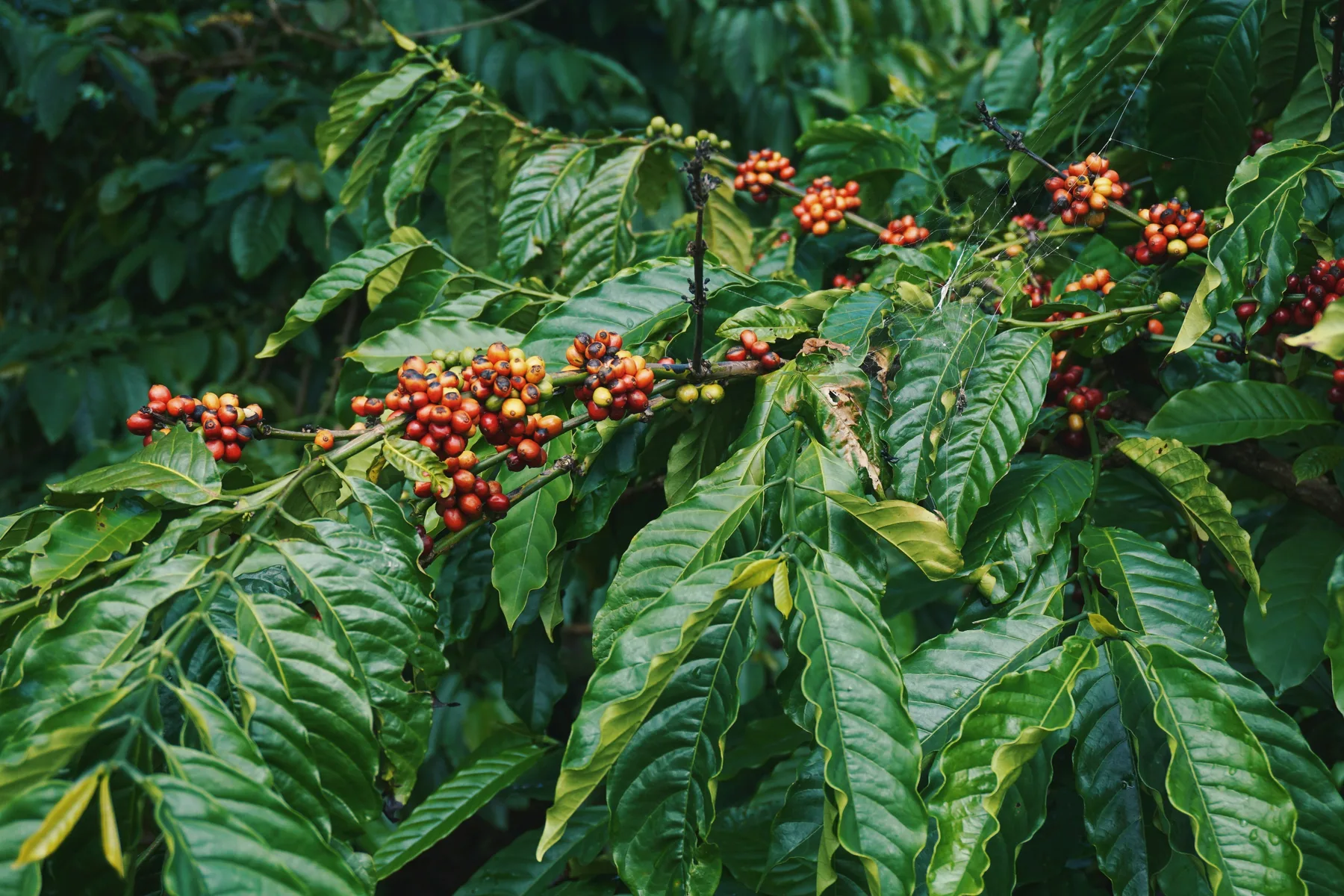
What Makes an Origin Good for Turkish Coffee?
Turkish coffee magnifies whatever is in the bean. Because the grounds stay in the cup, sharp acidity can feel sharper, thin body can feel watery, and roast defects can become obvious quickly. A good Turkish coffee origin should bring sweetness, body, and a finish that stays pleasant as the cup cools.
The best target notes are familiar and warm: cocoa, toasted nuts, brown sugar, dried fruit, and soft spice. Those notes fit the cezve because they support foam, body, and a slow sipping experience.

The Best Countries and Regions for Turkish Coffee
There is no single country that owns the best cup. The strongest Turkish coffee usually comes from choosing origins by role: a sweet base, a clean middle, an aromatic accent, and a roast profile that keeps everything balanced.
In practice, Brazil and Central American Arabica origins show up often because they bring body, chocolate, nut sweetness, and consistent supply. That does not make them the only good answer, but it explains why they are so useful for Turkish coffee: they create a round foundation before any spice or flavored blend is added.
Brazil
Alta Mogiana, Cerrado Mineiro, Sul de Minas
Sweetness, body, steady supply, and low-to-medium acidity make these coffees easy to roast into a rich Turkish coffee foundation.
- Flavor profile
- Cocoa, toasted almond, hazelnut, brown sugar
- Target notes
- Cocoa first, nut sweetness second, clean nutty finish
- Roast direction
- Medium to medium-plus, developed enough for chocolate and nut notes without tasting smoky.
Colombia
Huila, Tolima, Antioquia, Nariño
Colombian coffees bring balance and recognizable sweetness, especially when a blend needs clarity without losing body.
- Flavor profile
- Red apple, mild citrus, milk chocolate, soft fruit
- Target notes
- Rounded sweetness, gentle acidity, polished finish
- Roast direction
- Medium, with careful development to keep fruit notes soft rather than sharp.
Guatemala
Antigua, Huehuetenango, Atitlán, Acatenango
Volcanic soils, altitude, and distinct microclimates often create coffees with structure, cocoa depth, and spice-like complexity.
- Flavor profile
- Dark chocolate, baking spice, orange peel, stone fruit, molasses
- Target notes
- Chocolate depth, gentle spice, fruit in the background
- Roast direction
- Medium to medium-plus, ideal when the cup needs more frame and aromatic depth.
Ethiopia
Yirgacheffe, Sidama, Guji, Limu
Ethiopian coffees can add floral, citrus, and fruit complexity, but they usually work best as a supporting note in Turkish coffee.
- Flavor profile
- Jasmine, lemon, bergamot, peach, berry, honey
- Target notes
- Aromatics on the nose, citrus sweetness, no sour edge
- Roast direction
- Light-medium to medium, with enough development to tame acidity for the cezve.
Yemen
Yemen Highlands, historic Mocha trade
Yemen matters culturally because the historic Mocha trade helped define coffee in the Ottoman world before Turkish coffee became a household ritual.
- Flavor profile
- Dried fruit, cocoa, wine-like sweetness, spice, earthy depth
- Target notes
- Dried fruit and cocoa with a rustic, old-world finish
- Roast direction
- Medium-plus, handled gently because small, uneven lots can roast fast on the outside.
Why Brazil Is Used So Often
Brazil is one of the most practical origins for Turkish coffee because it gives roasters a stable starting point. Regions such as Alta Mogiana, Cerrado Mineiro, and Sul de Minas are known for coffees that can lean sweet, nutty, chocolatey, and balanced. Brazil's official geographical indication guide describes Alta Mogiana coffees with creamy body, chocolate, nut, caramel, and dark chocolate notes. That profile is exactly what a small, unfiltered cup needs.
In a Turkish grind, Brazilian coffee can create a rounder base: more cocoa, more toasted almond, more soft sweetness. It also blends well with cinnamon, cardamom, hazelnut, and cacao because it does not fight those flavors.
Why Colombia Works Well
Colombia is useful when you want sweetness and cleanliness. The regional designations from Cafe de Colombia describe cup profiles with sweet notes, acidity, medium-to-high body, fragrance, fruit, and caramel depending on the area. For Turkish coffee, that means Colombia can brighten a blend without making it taste thin.
Huila and Tolima are especially useful directions when the target is fruit sweetness and a clean finish. Antioquia and other classic Colombian regions can help create a more familiar chocolate-forward profile.
Why Guatemala Adds Depth
Guatemala is valuable for structure. The Guatemalan Coffees regional profiles emphasize how region, microclimate, and growing conditions shape taste. For Turkish coffee, that matters because Guatemalan coffees can add cocoa depth, spice, and a firm body without needing a very dark roast.
Antigua is a natural fit when you want chocolate and spice. Huehuetenango can add fruit and complexity. Atitlan and Acatenango can help build a cup that feels layered but still grounded.
Where Ethiopia Fits
Ethiopia is where you go for aroma, not necessarily the entire base. The National Coffee Association's origin guide describes Ethiopian coffees as bold and full-bodied with higher acidity, while specific regions such as Yirgacheffe, Sidama, Guji, and Limu can bring floral, citrus, berry, tea-like, and honeyed notes. Those can be beautiful in Turkish coffee, but they need balance.
If the roast is too light, Ethiopian acidity can feel pointed in the cezve. If it is developed carefully, it can add lift to a chocolate-forward base: a little citrus on the nose, a little fruit in the finish, and a more elegant aroma when the cup is first poured.
Why Yemen Still Matters
Yemen is not usually the easiest daily sourcing answer, but it is impossible to ignore in Turkish coffee history. Britannica describes Mocha as Arabia's historic coffee-exporting center, with the word mocha becoming associated with high-quality Arabica coffee from the Yemen Highlands.
That old Mocha profile is one reason target notes like cocoa, dried fruit, spice, and wine-like sweetness feel so natural in Turkish coffee. Yemen shows the historical bridge between coffee as a traded bean and coffee as an Ottoman ritual.
To see how these origins pair with each other — which is the base, which is the accent, and what ratio to start from — use the Coffee Origins Guide and its blend wheel.
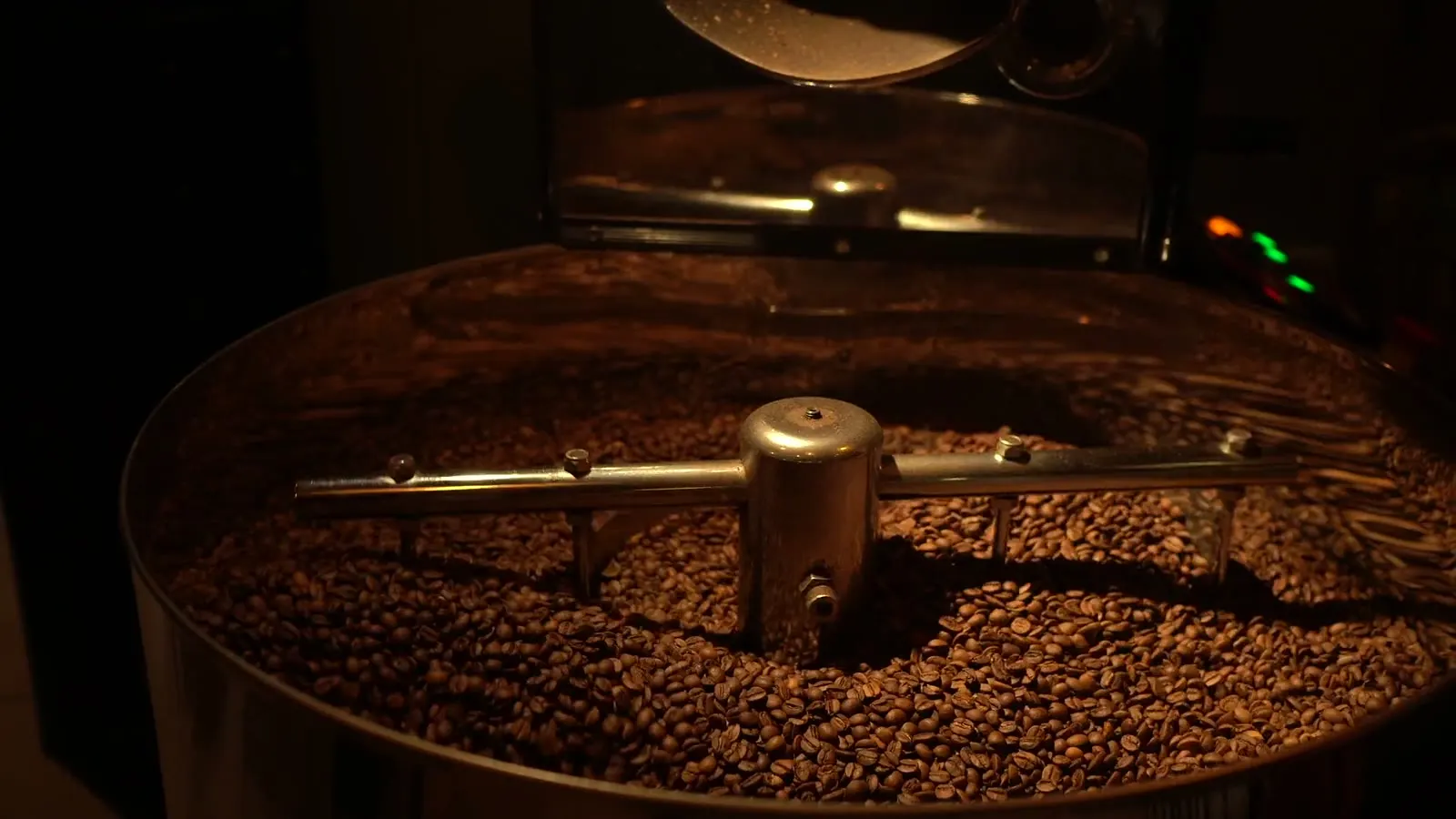
Where the Turkish Grind Sits
Every brew method depends on its grind, and Turkish coffee sits at the absolute end of the scale — finer than espresso, closer to cocoa powder than to anything a supermarket grinder produces. At that fineness there is no filter and no forgiveness, which is why the bean quality above matters so much, and why Lezzet ships ground powder-fine at the roastery — most home grinders simply cannot reach it.

Best Roast Profile for Turkish Coffee
For Turkish coffee, the safest roast profile is usually medium to medium-plus. You want enough development to bring out cocoa, toasted nuts, and body, but not so much that the coffee becomes smoky, flat, or oily.
A lighter roast can taste lively in filtered brewing, but in Turkish coffee it may read as sharp because the grind is extremely fine and the cup is unfiltered. A very dark roast can create a heavy cup, but it often buries origin character and turns the finish bitter.
The sweet spot is development without harshness. The roast should make the coffee taste round in the cezve: foam-friendly, aromatic, cocoa-forward, and clean enough that the last sip is still pleasant.
How to Think About Target Notes
Target notes describe the sensory direction a roaster is trying to bring out of the unroasted coffee, not flavors that get added in. The Specialty Coffee Association's Coffee Taster's Flavor Wheel is one of the standard tools the coffee industry uses to describe those sensory qualities.
For Turkish coffee, the best target notes usually sit in the chocolate, nutty, sweet, fruit, and spice families. That is why cocoa, toasted almond, brown sugar, dried fig, soft citrus, and warm spice make more sense than extremely sharp or grassy notes.
The Lezzet Approach
Lezzet is built around specialty-grade Arabica that can handle Turkish coffee's intense brewing style. The goal is a coffee that stays smooth and aromatic even when it is ground powder-fine, brewed slowly, and served unfiltered, rather than one that just hits hard.
That means choosing coffees with enough sweetness and body, then roasting them for cocoa, toasted nut, and spice-friendly balance. Traditional Turkish Coffee should taste like coffee first, with a cup that is rich, rounded, and clean. Cinnamon, Cardamom, and Sultan's Secret should build on that coffee base rather than hide it.
Choose Whole Bean Traditional Coffee to grind at home, or Traditional Turkish Coffee already ground powder-fine for the cezve. Our brewing guide walks through the same method for either, once the coffee is ground.
Specialty Grade Arabica FAQ
What are the different types of Turkish coffee?
The method is always the same — powder-fine coffee brewed in a cezve — so "types" usually means either the bean (Arabica vs Robusta blends) or the flavoring. Traditional plain Turkish coffee is the benchmark; classic flavored versions fold in cardamom, cinnamon, or mastic, and dibek refers to coffee stone-ground the historical way. Quality tracks the bean underneath, whatever the flavor on top.
What roast is best for Turkish coffee?
Medium to medium-plus. Light roasts read sharp and sour in an unfiltered, powder-fine brew; very dark roasts turn heavy and bitter and bury the origin character. The sweet spot develops chocolate, hazelnut, and toasted nut while keeping the finish clean.
Is Arabica really better than Robusta?
For flavor, yes. Arabica is grown at higher altitudes and tends to be sweeter, smoother, and more complex, with about half the caffeine of Robusta. Robusta is hardier and cheaper but usually tastes harsher and more bitter, which is why it dominates commodity blends and instant coffee. Almost all specialty grade coffee is Arabica.
Does specialty grade mean less caffeine?
Slightly, because Arabica naturally carries less caffeine than Robusta — but "specialty grade" describes quality and cup score, not caffeine. The strength you feel in a cup of Turkish coffee comes mostly from the grind, ratio, and that you drink it unfiltered.
Is specialty grade Arabica worth the higher price?
In Turkish coffee, it pays off more than in most brewing methods. Because the coffee is unfiltered and powder-fine, the quality of the bean shows up directly in the cup — a cleaner, sweeter, smoother brew instead of a flat or bitter one.
Can you actually taste the difference in Turkish coffee?
More than in drip or filter coffee. A paper filter and a coarser grind hide a lot. Turkish coffee has no filter and the finest grind of any method, so defects, sourness, and harshness have nowhere to hide — and so does the sweetness of a well-graded bean.