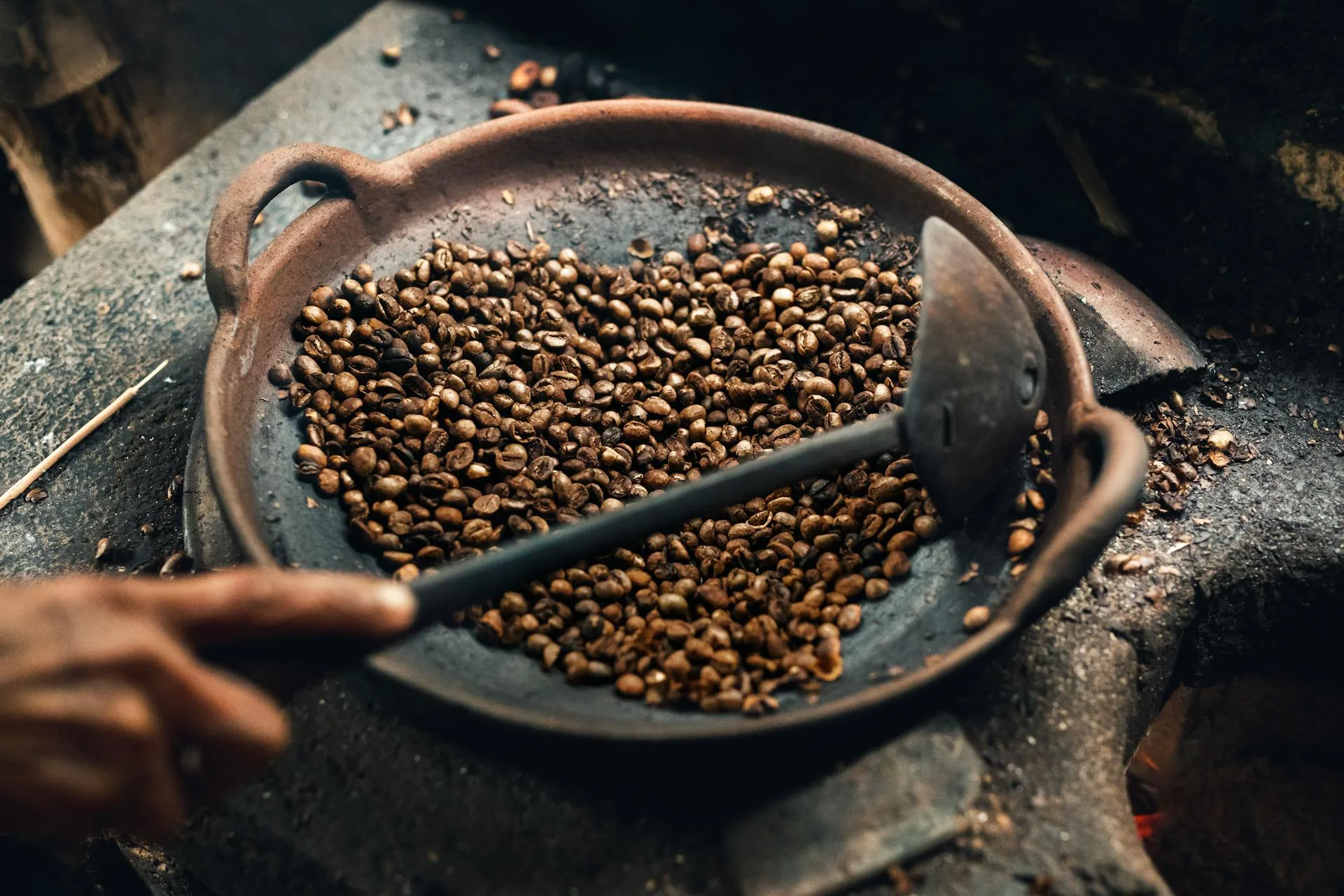
A traditional cup of Turkish coffee (60-75 ml) contains about 50-65 mg of caffeine — roughly the same as a single espresso shot, and about half to two-thirds of a 240 ml mug of drip coffee. Sip for sip it is one of the most concentrated brews there is; per serving it is surprisingly moderate, because the cup is small.
Caffeine per typical serving
Ranges reflect typical home servings. The exact number moves with the coffee-to-water ratio, brew time, and bean.
Turkish Coffee Caffeine vs Espresso, Drip, and Cold Brew
The most useful way to read the numbers is per serving and per 100 ml, because Turkish coffee flips between "strong" and "moderate" depending on which one you look at.
| Drink | Typical serving | Caffeine per serving | Per 100 ml |
|---|---|---|---|
| Turkish coffee | 60-75 ml cup | 50-65 mg | ~75 mg |
| Espresso | 30 ml shot | ~63 mg | ~210 mg |
| Drip coffee | 240 ml mug | 80-100 mg | ~40 mg |
| Cold brew | 350 ml glass | 150-200 mg | ~50 mg |
| Red Bull | 250 ml can | ~80 mg | ~32 mg |
| Black tea | 240 ml cup | 40-50 mg | ~20 mg |
| Green tea | 240 ml cup | 25-35 mg | ~14 mg |
| Coca-Cola | 355 ml can | ~34 mg | ~10 mg |
These figures line up with the U.S. government's food composition data: USDA FoodData Central lists brewed espresso at roughly 210 mg of caffeine per 100 ml and regular brewed coffee at around 40 mg per 100 ml. Turkish coffee is not a separate USDA entry — it is unfiltered brewed coffee at a much higher coffee-to-water ratio, which is why lab measurements of traditional Turkish brews consistently land between drip and espresso in concentration.
For the full method-by-method comparison — grind, texture, brewing, and which one feels stronger — see Turkish coffee vs espresso.
Lebanese coffee is brewed the same way and lands in the same range. A finjan of Gulf Arabic coffee (qahwa) carries less: it is poured only a quarter full from a lighter brew, so even the customary three cups come in under one mug of drip.
Why the Range? What Moves the Number
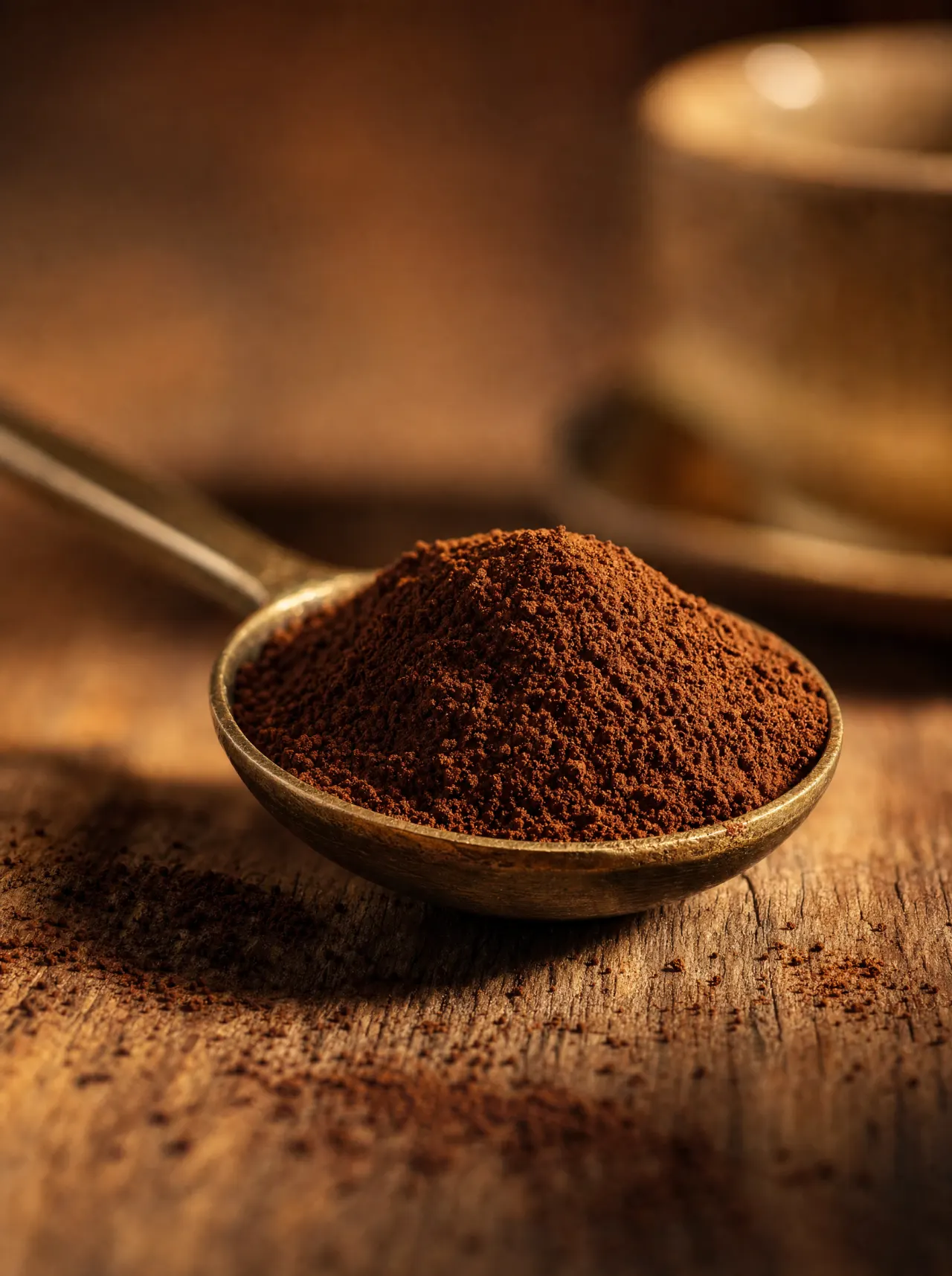
The ratio. Turkish coffee is traditionally one heaping teaspoon (about 5-7g) of coffee per small cup of water — a much higher dose per milliliter than drip. Brew with a generous scoop and you sit at the top of the range; a lighter hand lands lower.
The bean. Robusta carries roughly twice the caffeine of Arabica. Some blends include Robusta, which pushes caffeine up. Lezzet is 100% specialty-grade Arabica, so it sits at the smoother, moderate end of the caffeine range.
The brew. Turkish coffee warms slowly and is never filtered, so extraction keeps going in the cup. A longer, slower rise in the cezve extracts a little more than a rushed one — one more reason low-and-slow is also the better-tasting choice.

Can You Drink Multiple Cups a Day?
In Turkish coffee culture, 2-3 small cups spread through the day is completely normal. At 50-65 mg each, three cups is roughly 150-195 mg — under half of the 400 mg daily amount the FDA cites as not generally associated with negative effects for healthy adults.
The small cup is a feature here: you get the ritual and the aroma several times a day without approaching the ceiling a large cold brew habit reaches quickly.
The Bottom Line
Turkish coffee delivers 50-65 mg of caffeine in a small, concentrated, unfiltered cup — espresso-level caffeine with a completely different texture and pace. Other methods hand you more caffeine per serving; few make it taste like this. If you want to try it properly, start with powder-fine ground Turkish coffee and the step-by-step brewing guide.
Turkish Coffee Caffeine FAQ
How much caffeine is in one cup of Turkish coffee?
A traditional 60-75 ml cup of Turkish coffee contains roughly 50-65 mg of caffeine — about the same as a single espresso shot, in a slightly larger serving.
Does Turkish coffee have more caffeine than regular coffee?
Sip for sip, yes — Turkish coffee is roughly twice as concentrated as drip. Per serving, no: a 240 ml mug of drip (80-100 mg) usually carries more total caffeine than a small Turkish cup (50-65 mg).
Is Turkish coffee stronger than espresso in caffeine?
Espresso is more concentrated (~210 mg per 100 ml vs ~75 mg per 100 ml for Turkish coffee), but per serving the two land close together: a Turkish cup and a single espresso shot both deliver roughly 50-65 mg.
How many cups of Turkish coffee can I drink a day?
The FDA cites 400 mg a day as a level not generally associated with negative effects for healthy adults. At 50-65 mg per cup, that is roughly 6 traditional Turkish cups — far more than the 2-3 cups typical in Turkish coffee culture.
Why does the caffeine in Turkish coffee vary?
The ratio of coffee to water, brew time, and the bean species drive the range. Robusta beans carry roughly twice the caffeine of Arabica, so a 100% Arabica Turkish coffee like Lezzet sits at the smoother, moderate end of the range.
Does Turkish coffee have more caffeine than Red Bull or tea?
A Turkish cup (50-65 mg) lands below a Red Bull can (~80 mg), above a cup of black tea (40-50 mg), and roughly double a can of Coke (~34 mg). Sip for sip, though, Turkish coffee is the most concentrated of the four.